
TMJ & OROFACIAL FUNCTION
Jaw Pain Is Rarely Just About One Tooth
Your jaw is a system.
The TM joints, teeth, bite, muscles, tongue, habits, and sleep patterns all interact every day
when you chew, speak, swallow, clench, and breathe.
That’s why our TMJ approach starts by asking:
Where is the problem actually coming from?
Signs We May Evaluate
Patients may come to us with concerns such as:
● Jaw tension or soreness
● Clenching or grinding
● Facial muscle fatigue
● Clicking or popping
● Limited or uncomfortable opening
● Morning jaw tightness
● Tooth wear or fractures
● Head or facial tension associated with jaw use
Different symptoms can have different causes, so we don’t assume every TMJ patient needs the
same appliance or procedure.
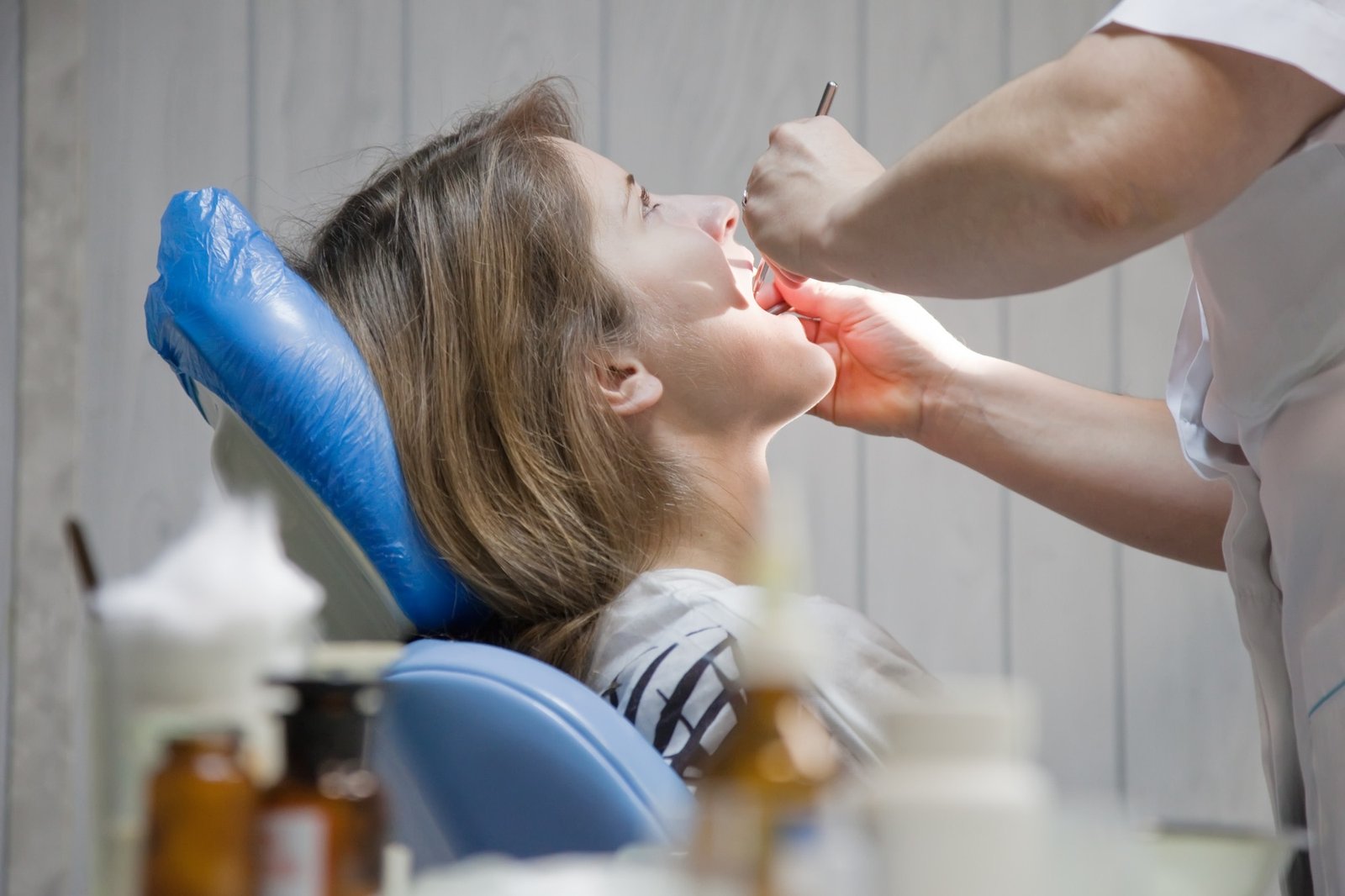
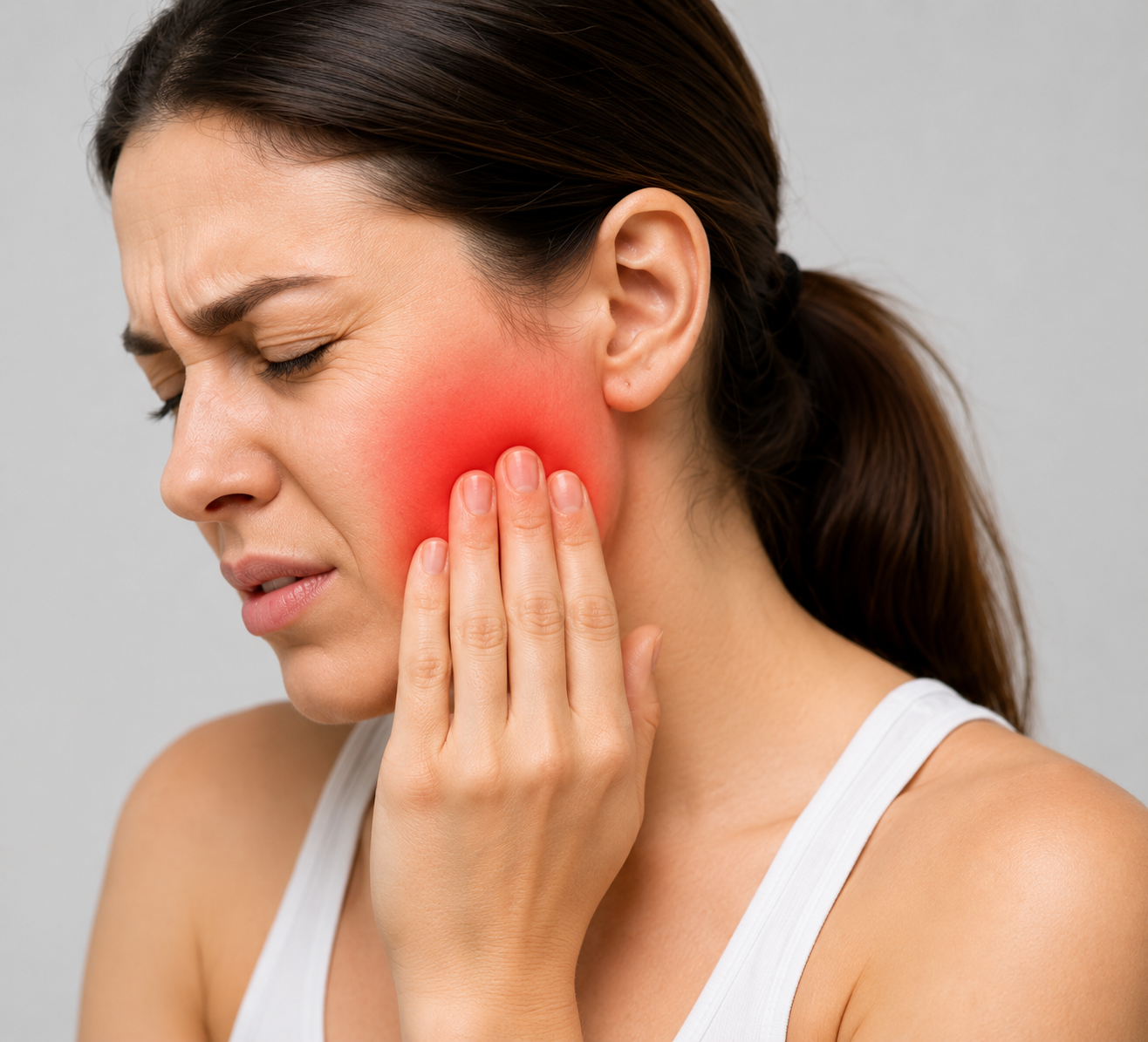
Looking at the Whole System
- Our evaluation may consider:
- The joint: How the jaw moves and whether joint symptoms are present.
- The muscles: Whether the muscles around the jaw are tender, tense, or overworked.
- The teeth and bite: Grinding forces can contribute to wear, cracks, and restoration problems.
- Sleep and airway: For some patients, clenching or grinding may occur alongside sleep-related breathing concerns.
- Tongue and oral function:Tongue posture, swallowing, and muscle patterns may also influence how the oral system functions.
Nightguards & Oral Appliances
- A custom nightguard may help protect the teeth and restorations from excessive grinding forces. But protecting the teeth and treating the reason someone is clenching are not always the same thing. That's why we continue looking at the muscles, joint, habits, airway, sleep, and other contributing factors when appropriate.
EMFACE TMJ
- For selected patients whose symptoms have a significant muscular component, we may incorporate EMFACE TMJ.
- EMFACE TMJ uses targeted muscle stimulation together with radiofrequency energy to support jaw muscle relaxation, comfort, and function.
- It gives us a needle-free option for working directly with overworked jaw muscles while remaining part of a broader TMJ plan.
Other Supportive Care
Depending on what we find, treatment may also include:
● Custom nightguard or appliance therapy
● EMFACE TMJ
● Myofunctional therapy
● Airway and sleep screening
● Photobiomodulation / supportive laser therapy
● Physical therapy collaboration
● Medical or specialist referral when appropriate
- The treatment follows the source of the problem.
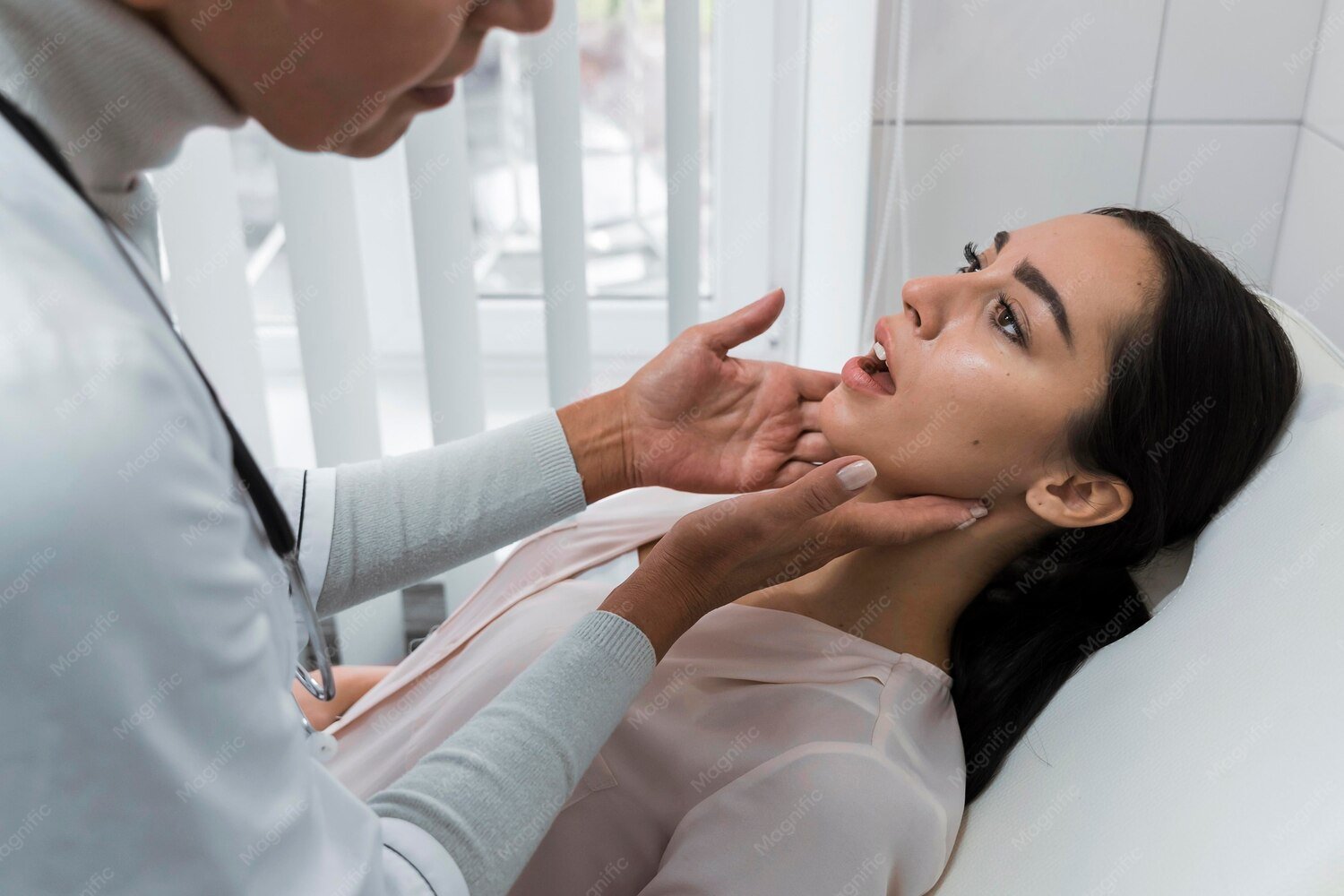
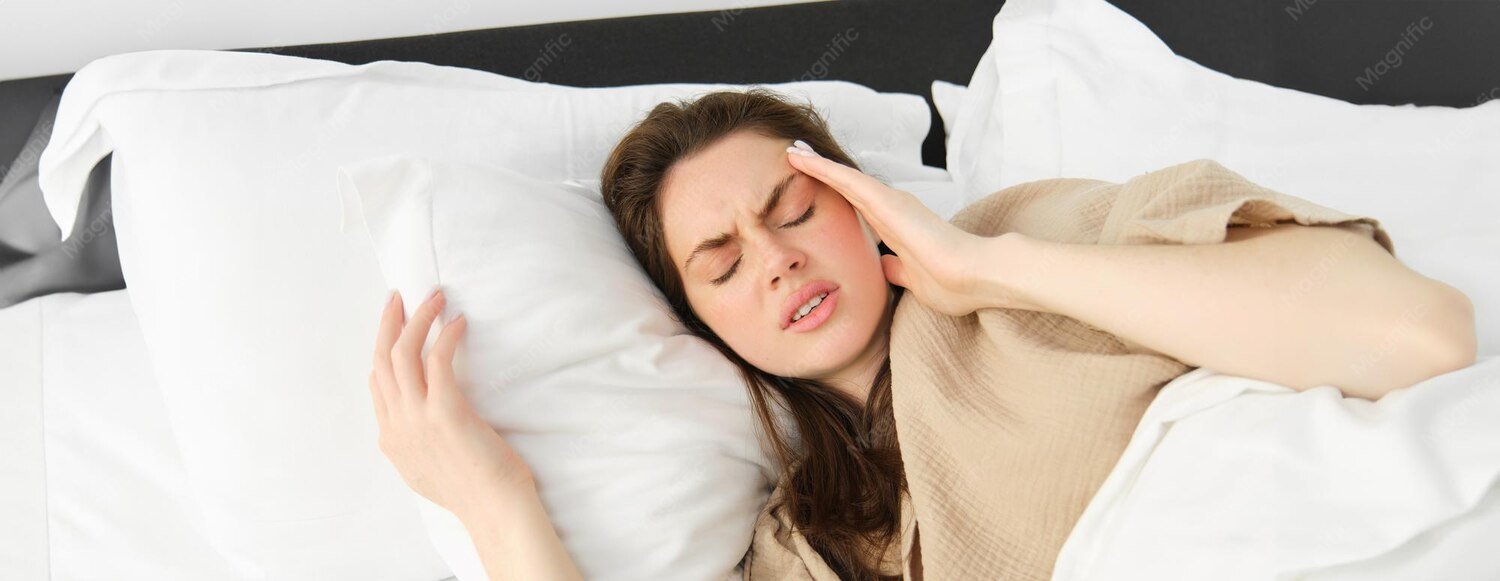
TMJ, Grinding & Sleep
- Grinding doesn't always mean “you're stressed.” For some patients, sleep quality or breathing may be worth investigating as part of the bigger picture. That doesn't mean every person who grinds has sleep apnea. It means we don't automatically stop at:
- “Here's a nightguard.”
- If other signs are present, we may recommend sleep and airway screening and coordinate with a sleep physician when appropriate.
The Natural Focus Difference
- Our goal is not simply to quiet a symptom. We want to understand whether the issue appears to be primarily related to the joint, muscles, teeth, bite, habits, airway—or a combination of factors. Then we select the tools that make sense.
- Protect the teeth. Support the muscles. Understand the system. Improve function.